Osprey Poco Plus Child Carrier Review: Tested on Real Trails With a Toddler

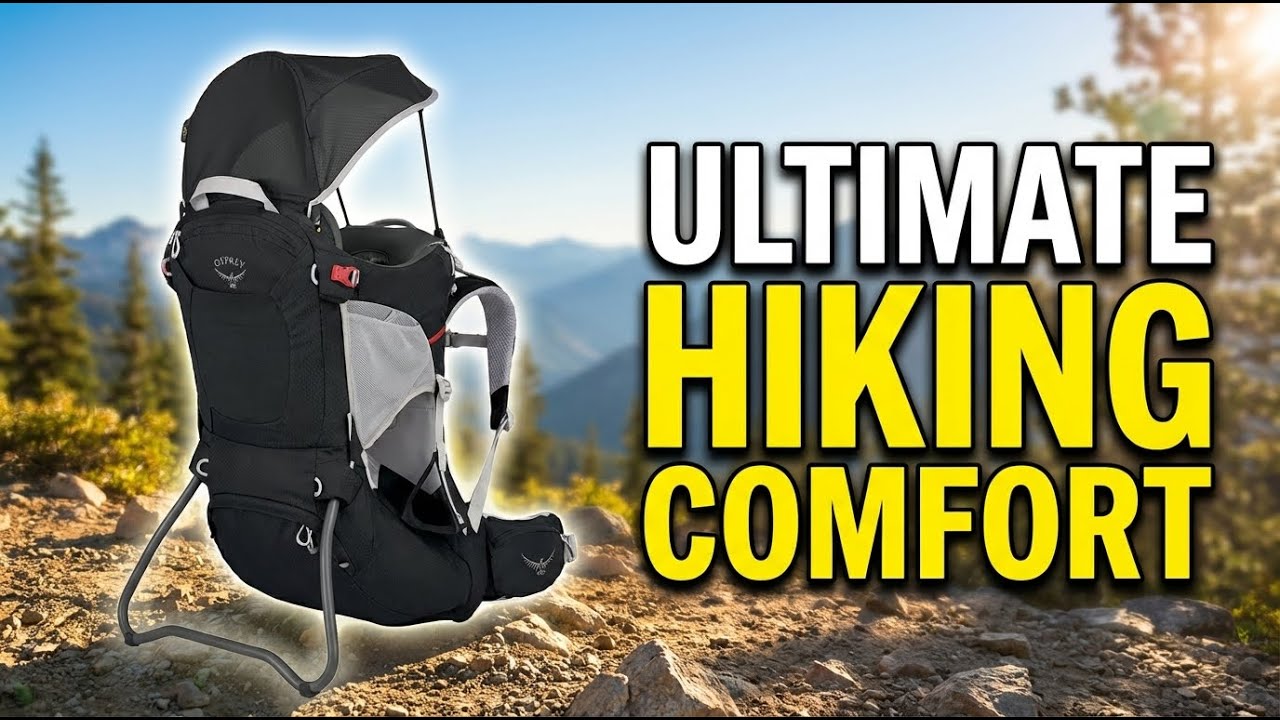

Osprey Poco Plus Child Carrier Review: Tested on Real Trails With a Toddler
Osprey Poco Plus Child Carrier
Buy if you hike regularly with toddlers and need serious storage plus safety features. Skip if you want a lightweight carrier for short walks or have a very petite frame.
Buy on AmazonWhat We Liked
- Built-in UPF 50+ sunshade with mesh side panels for airflow and nap support
- 26-liter storage capacity is the largest in its class for child carriers
- Double Halo harness clips behind child's back to prevent unbuckling
- Kickstand locks with audible click for safe solo loading
- Adjustable torso and fit-on-the-fly hipbelt for sharing between caregivers
- Structured cockpit provides car-seat-level child safety
What Could Be Better
- Weighs 7 lbs 14 oz empty, among the heaviest child carriers available
- Fixed-size stirrup foot holes make toddler boot removal frustrating
- Hydration sleeve too tight for a full 3-liter bladder
- Grab handle rubs shorter wearers' necks on uphill sections
How we test: Every product is used in real conditions and evaluated using our standardized scoring criteria. Read our full review methodology.
Hiking with a toddler means carrying their snacks, diapers, extra layers, and the kid. Finding a child carrier that handles all of it without wrecking your back is the real challenge.
The Osprey Poco Plus is a 26-liter hiking carrier built for parents who spend serious time on trails. It sits at the top of Osprey’s child carrier lineup, packed with an aluminum frame, built-in sunshade, and a structured cockpit designed to keep your child safe and comfortable from 16 pounds up to a combined load of 48.5 pounds.
I tested this backpack carrier on multiple hikes across varying terrain and weather conditions. Both my partner and I shared the carrier, taking turns with our toddler on everything from flat nature paths to moderate mountain inclines.
The short version of this Osprey Poco Plus review: the carrier earned a 4.3 out of 5 from me. The storage space, safety features, and adjustability are top-tier for a baby backpack in this category. The weight and a few design quirks keep it from a perfect score.
What I Liked About the Osprey Poco Plus Child Carrier
The built-in sunshade is the standout feature. It tucks into a small pocket when you don’t need it and deploys in seconds with pull tabs. The UPF 50+ rating protects your child from UV exposure, and the mesh side panels allow airflow while the sunshade’s stiff frame gives your toddler a place to rest their head during naps on the trail.
The 26-liter storage space sets this carrier apart. No other baby carrier in this class offers this much room. The main bottom compartment fits diapers, extra layers, and lunch. Side mesh pockets hold water bottles within easy reach. There are also hip belt pockets for snacks, keys, and lip balm, plus a rear zippered pocket for additional storage options. When hiking in unpredictable weather where you need to pack rain cover layers and warm clothes, this storage makes a noticeable difference.
The Double Halo harness keeps escape artists locked in. The buckle clips behind the child’s back, which means older toddlers cannot reach it to unbuckle themselves mid-hike. The five-point harness is adjustable and the child cockpit and harness design wraps securely around your child with padded contact surfaces. The removable drool pad up front is soft and washable, which matters when your child treats it as a chew toy.
The kickstand makes solo loading practical. Pull it down and it locks with an audible click, holding the Osprey pack stable on flat ground. Loading a squirming toddler into a carrier that’s standing upright on its own is dramatically easier than trying to hold the pack while strapping them in.
Sharing this carrier between caregivers takes under a minute. The adjustable torso length ranges from 15 to 21.5 inches, and you can adjust the height by reaching behind the back panel and sliding a lever. The fit-on-the-fly hipbelt accommodates waists from 26 to 48 inches, with extender wings pushing that to 54 inches. Both my partner and I could swap comfortably without tools or fuss, which is easy to adjust even on the trail.
The structured cockpit provides child comfort comparable to a car seat. The fully framed and padded design surrounds your child on all sides. On rougher terrain, knowing your toddler is secured in a rigid, protective cockpit reduces the anxiety that comes with carrying a child on your back through the backcountry.
What Needs Improvement on This Baby Carrier
The Poco Plus weighs 7 pounds 14 ounces empty. Add a 30-pound toddler plus hiking gear and you’re carrying over 45 pounds total. On steep mountain terrain, the weight pulls backward and the carrier can feel unwieldy during descents. Lighter child carriers like the Thule Sapling (7 lbs) or the Osprey Poco LT (5 lbs 9 oz) handle elevation changes with less strain on your shoulder straps and back.
The stirrup foot holes are a fixed size that frustrates parents of bigger kids. While the stirrup length is adjustable, the hole diameter stays the same. Getting a three-year-old’s rain boots or bulky hiking boots in and out becomes a wrestling match. Multiple hikers I spoke with reported losing shoes during the unloading process. This is one area where the standard Poco and the Poco Plus share the same limitation.
The hydration sleeve is too tight for a full 3-liter bladder. The pack accommodates up to a 1.5-liter reservoir, but even that can be difficult to squeeze in behind the adjustable torso panel. On longer hikes where hydration matters most, this design choice forces you to rely on water bottles in the side mesh pocket instead.
The grab handle at the back of the carrier rubs shorter wearers’ necks. If you’re under 5 feet 5 inches, the handle can press against the back of your head on uphill sections. You can tuck it under the drool pad, but it’s an extra step you need to adjust before every hike. For petite parents, this contact point becomes noticeable on longer outings.
How the Osprey Poco Plus Compares to Other Child Carriers
The Deuter Kid Comfort Pro is the closest direct competitor. It weighs less at 7.1 pounds and features a side-entry design that some parents find easier for loading sleepy toddlers. The Deuter offers a taller back and generous chin pillow, making it a stronger choice if your child naps frequently on the trail. The tradeoff is significantly less storage at 14 liters compared to the Poco Plus’s 26 liters, and a front-clip harness that determined toddlers can figure out how to unbuckle.
The Kelty Journey PerfectFIT Elite matches the Poco Plus in capacity at 26 liters and costs less. Its unique PerfectFIT suspension system adjusts via hip straps rather than a shoulder strap harness, which some hikers prefer. Where the Kelty falls short is the sunshade design. It uses a removable shade without the Poco Plus’s integrated mesh side panels that double as a nap support.
The Thule Sapling takes the lightweight crown at approximately 7 pounds with solid adjustability through its expandable hipbelt. If weight is your primary concern for backpacking trips and you’re willing to accept 22 liters of storage space, the Thule is worth trying on. For hikers who need to carry more hiking gear through unpredictable weather in the mountains, Osprey’s Poco Plus with its extra 4 liters and superior sunshade tip the balance.
The Osprey Poco LT is worth mentioning as Osprey’s own lightweight alternative. At 5 pounds 9 ounces, it’s dramatically lighter and a stronger pick for travel and shorter hikes. It drops the stirrups and reduces storage, so it works for families who prioritize portability over camping-ready capacity. The Poco Plus grows with your baby through the toddler years in a way the LT cannot match. For parents who also need a personal daypack when hiking without the kids, we reviewed the Osprey Talon 22L hiking backpack, which shares Osprey’s same comfort focused suspension design.
Final Verdict: Is This Backpack Worth It for Every Hiker?
The Osprey Poco Plus delivers where it counts most for trail-focused families: storage space that handles a full day of hiking gear, a harness and cockpit that keeps your child locked in safely, and a built-in sunshade that outperforms every competitor I’ve tested.
I’m giving it 4.3 out of 5. The weight at nearly 8 pounds empty and the frustrating fixed-size stirrup holes cost it points. The hydration sleeve limitations and neck handle rub on shorter hikers are smaller annoyances that add up over long miles.
Bottom line: if you hike regularly with your toddler and need a carrier that can hold everything for a full day on the mountain, the Osprey Poco Plus earns its price tag of around $320 to $395 as of late 2025. Parents who hike occasionally or prioritize lightweight gear should look at the Osprey Poco LT or the Thule Sapling instead. This carrier will grow with your baby through the toddler years, and the Osprey build quality means it can last through multiple kids.
Specifications
| Brand | Osprey |
| Weight | 7 lbs 14 oz (3.6 kg) |
| Dimensions | 29 x 15.75 x 18.9 inches |
| Capacity | 26 liters (1587 cubic inches) |
| Load Range | 23.8-48.5 lbs (combined child + gear + pack) |
| Material | 210D Nylon Diamond Ripstop (Bluesign approved) |
| Frame | Anti-Gravity Aluminum Suspension |
| Torso Fit Range | 15-21.5 inches |
| Hipbelt Fit Range | 26-48 inches (extendable to 54 inches with extenders) |
| Sun Protection | Built-in UPF 50+ sunshade with mesh side panels |
| Harness System | Double Halo 5-point harness with rear-clip design |
| Hydration | Compatible with up to 1.5L reservoir (sold separately) |
| Recommended Age | 6 months and up (must sit unassisted, minimum 16 lbs) |
Frequently Asked Questions
What is the difference between the Osprey Poco and the Osprey Poco Plus?
The Osprey Poco Plus offers 26 liters of storage compared to the standard Poco's 20 liters. The Plus model includes zippered hip belt pockets, mesh side pockets sized for water bottles, and a slightly more padded grab handle. The load range and child cockpit design are identical on both carriers.
Is the Osprey Poco Plus worth the price compared to the Osprey Poco Premium?
The Poco Premium (launched in 2025) expands to 36 liters of storage space and adds a washable cockpit liner plus the AirSpeed suspension system. If you plan multi-day backpacking trips or need to carry gear for multiple children, the Premium justifies its higher cost. For day hikes, the Poco Plus provides everything most hikers need at a lower price.
What is the difference between the Osprey Poco AG and the Osprey Poco Plus?
The Poco AG Plus was the previous generation name. Osprey dropped the AG from the branding when they redesigned the child cockpit and harness system. The updated Poco Plus features the Double Halo harness that clips behind the child's back instead of the older front-clip design, making it harder for toddlers to unbuckle themselves.
Can the Osprey Poco Plus be used for backpacking overnight trips?
The Poco Plus works for overnight trips if you pack efficiently. The 26-liter capacity holds enough gear for a single overnight, though you will likely need to attach additional items to the compression straps. For dedicated multi-day backpacking, consider the Osprey Poco Premium with its 36-liter capacity.
What are common complaints about the Osprey Poco Plus?
The most frequent complaints focus on the fixed-size stirrup foot holes that make boot removal difficult with bigger kids, the weight at 7 lbs 14 oz, and the hydration sleeve being too tight for larger bladders. Some shorter parents report the grab handle rubbing their neck on uphill sections.
Does the Osprey Poco Plus work for newborns?
No. The Osprey Poco Plus requires children to be able to sit upright unassisted, which typically happens around 6 months of age. The minimum child weight is 16 pounds. For younger babies, Osprey offers the Poco LT soft carrier designed for infants.
Ready to Buy?
Osprey Poco Plus Child Carrier delivers on its promises. If it fits your needs, it's a solid choice you won't regret.
Check Price on Amazon Founder & Product Reviewer at TheReviewRewind
Daniel has tested 400+ products across 20+ categories through hands-on, real-world testing. Every review includes video documentation and standardized scoring criteria. His reviews appear as Amazon shoppable videos and here on TheReviewRewind.
We earn a commission if you make a purchase, at no extra cost to you. This does not influence our ratings or recommendations. Full disclosure
Looking for more options? See all our Baby reviews.
Related Reviews